Visual Postcards
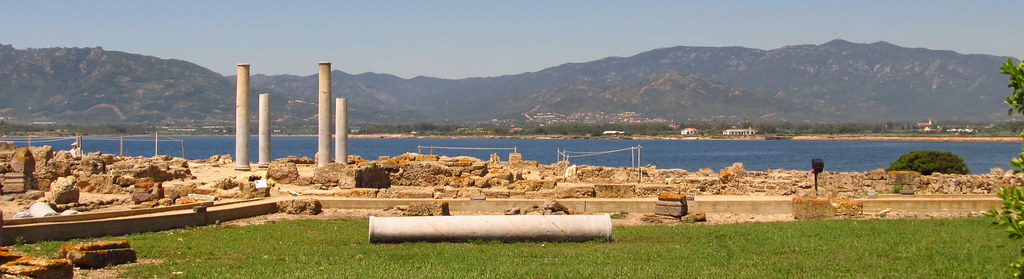
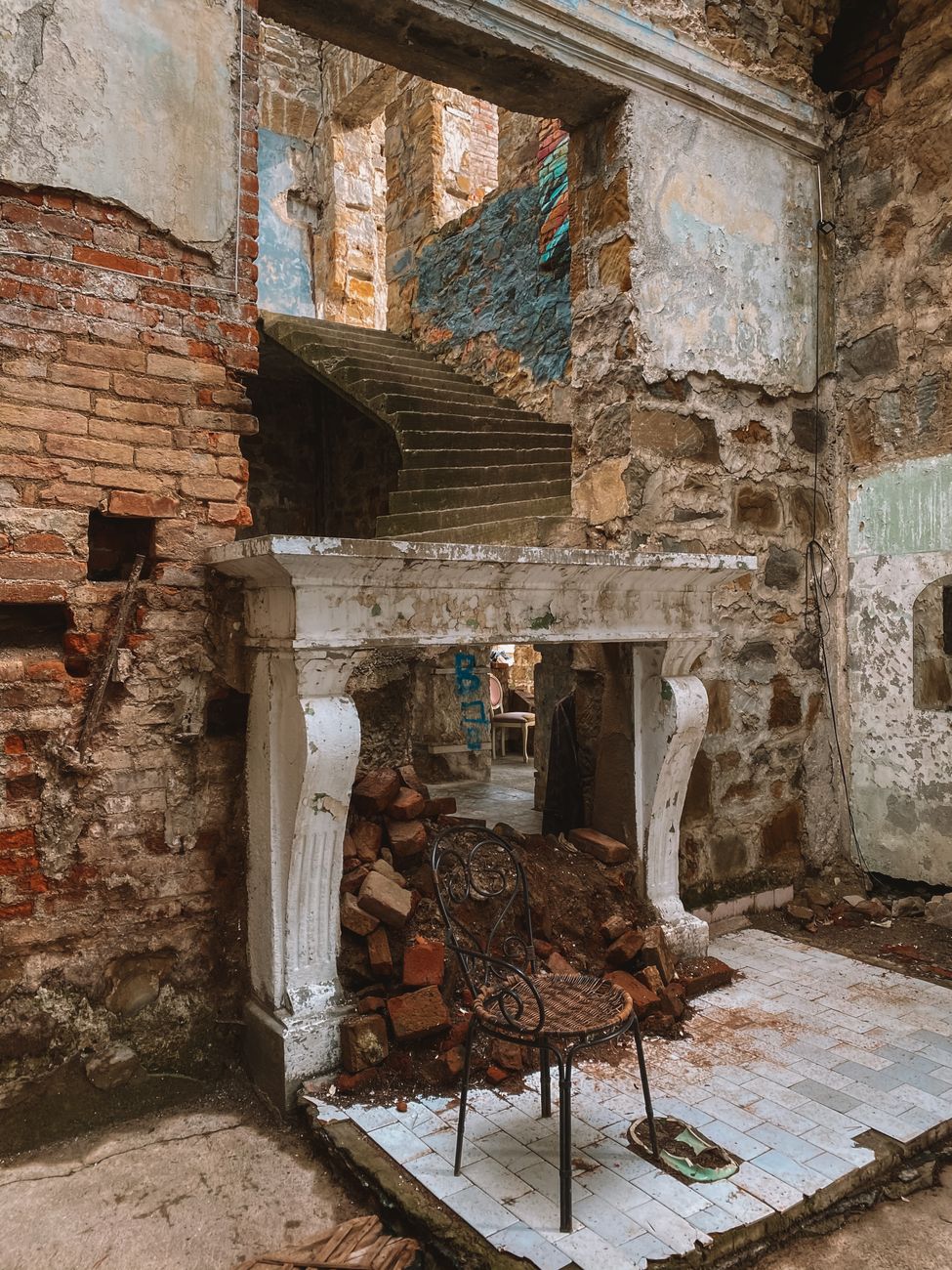
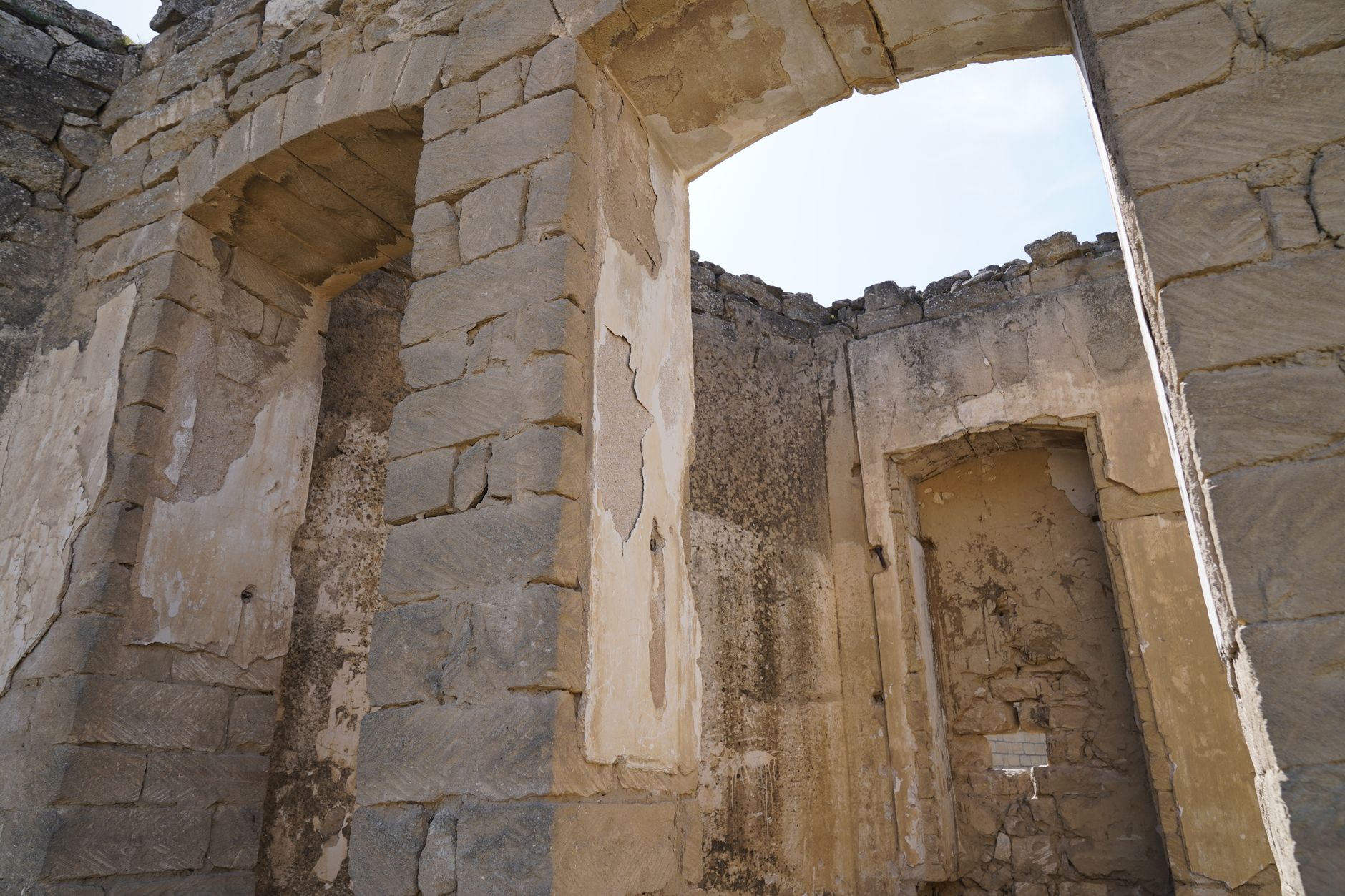
Glimpses of the historical site and surrounding natural beauty.
Welcome to the ultimate local visitor guide for Ruins of Nora in the beautiful region of Sardinia. Plan your trip with detailed local insights.
Nora represents one of the most structurally complete and historically significant archaeological parks in the Western Mediterranean. Initially established during the Nuragic era, the location developed into a critical maritime stronghold under successive Phoenician, Carthaginian, and Roman administrations. Its unique geographic layout, extending across a narrow promontory, allowed it to dominate trade routes. It was abandoned in the 8th century AD due to sea levels rising and pirate raids. It was here that researchers discovered the Stele of Nora, which represents the oldest written Phoenician document in Western civilization and contains the earliest known written mention of the name Sardinia (Shrdn).
The site contains several distinct zones: The Roman Theatre (Teatro Romano, built in 1st century AD for 1,200 spectators, acoustic properties still functional), the Tanit Temple (dedicated to Carthaginian goddess of fertility, featuring a 56-cm pyramid altar), the Tophet (sacred Punic cemetery), and four distinct Thermal Baths (Terme di Levante near entrance showcasing hypocaust channels and intact geometric mosaics). Crowning the promontory is Torre del Coltellazzo, a 16th-century Spanish coastal defense tower built to defend the gulf against Ottoman pirate raids.
Glimpses of the historical site and surrounding natural beauty.
Here at the edge of the Capo di Pula promontory, the Ruins of Nora stand as a magnificent gateway to the ancient Mediterranean. For over two millennia, this narrow peninsula has witnessed the rise and fall of Phoenician traders, Carthaginian sailors, and Roman citizens. As you walk past the intact Roman theater and geometric mosaic floors, the salt breeze from the sea brings the stories of these civilizations to life.
This independent guide compiles detailed transport tips, archaeological highlights, local events, and seafood recommendations. We hope it helps you plan your walk through history where the ancient footprints meet the clear blue waters of the Sardinian coast!